
Pet Nutrition Tips: Feeding Your Pet for a Healthy, Active Life
Good nutrition is one of the most important parts of keeping your pet healthy. During the warmer months, many Lowcountry pets spend more time walking, swimming, hiking, and playing outdoors, which may affect their calorie needs and hydration.
At Shuler Veterinary Clinic, we help pet owners understand how proper nutrition supports lifelong health and why feeding the right amount, not just the right food, is essential.
Pet Nutrition Tips: Every Pet Has Different Calorie Needs
Just like people, every pet has unique nutritional requirements.
Your pet’s ideal daily calorie intake (measured in kilocalories, or kcals) depends on factors like:
- Age
- Breed
- Weight
- Activity level
- Overall health
- Whether they are spayed or neutered
An active dog spending more time outdoors may require more calories than they do during less active months, while less active pets may need fewer calories to maintain a healthy weight.
Pet Nutrition Tips: Understanding Kcals in Pet Food
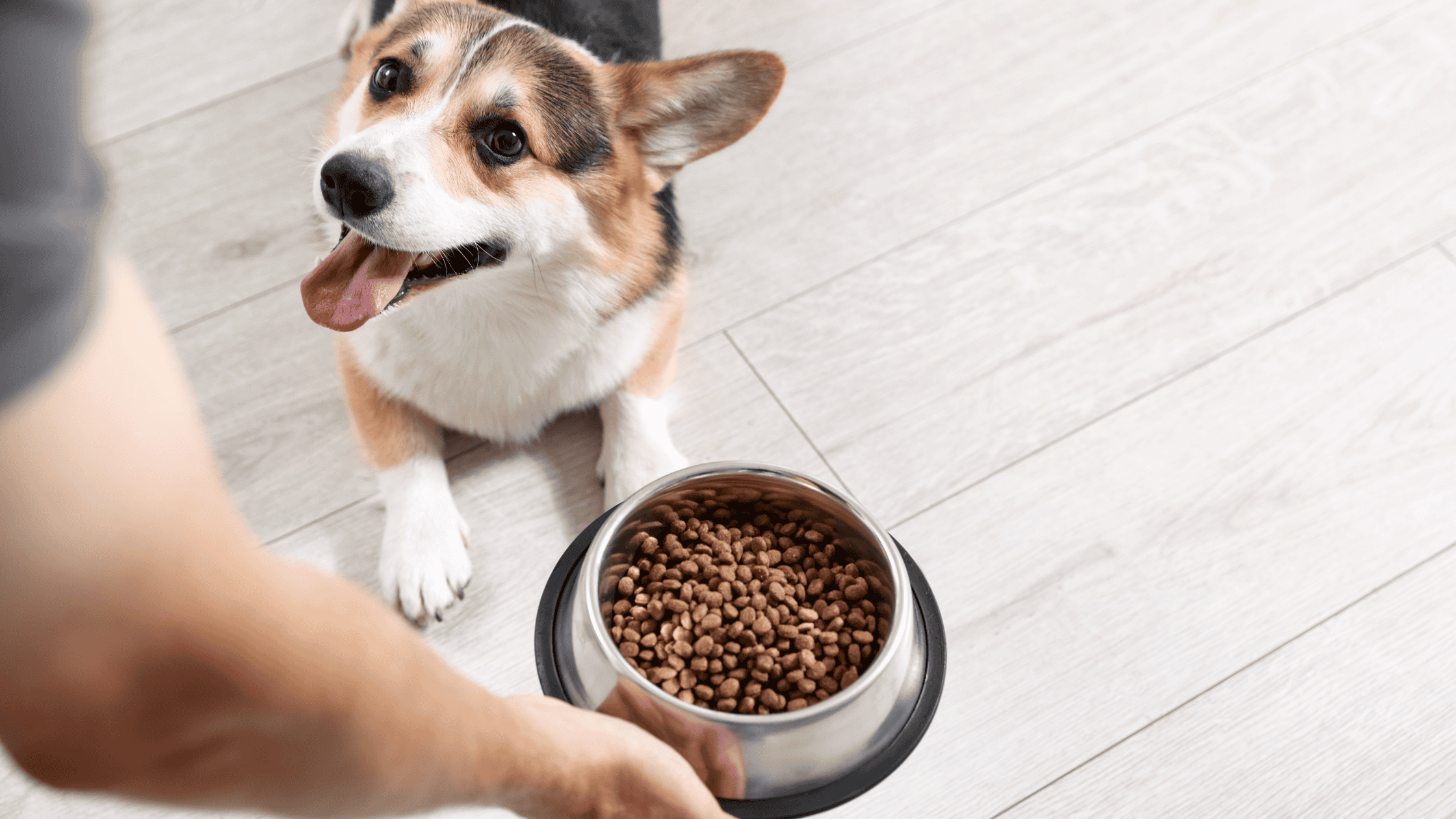
Many pet owners focus on the number of cups they feed each day, but kcals are what truly determine how much energy your pet is consuming.
Different pet foods contain different calorie densities, meaning one cup of one food may have significantly more calories than another.
Your veterinarian can help calculate your pet’s ideal daily caloric intake and determine the correct feeding amount based on the food you’re using.
Pet Nutrition Tips: Summer Activity Can Change Feeding Needs
Warmer weather often means more opportunities for exercise and outdoor adventures.
Whether your dog enjoys:
- Long neighborhood walks
- Trips to the beach
- Swimming
- Hiking
- Playing fetch at the park
Their energy needs may change throughout the season.
At the same time, some pets may have a reduced appetite during periods of extreme heat. Monitoring both body weight and body condition is the best way to ensure your pet is receiving the right amount of nutrition.
Pet Nutrition Tips: Healthy Weight Means Better Health
Maintaining a healthy weight helps reduce the risk of many medical conditions, including:
- Arthritis
- Diabetes
- Heart disease
- Joint problems
- Reduced mobility
Regular weight checks and body condition evaluations allow us to catch small changes before they become larger health concerns.
Pet Nutrition Tips: Choosing the Right Diet
With so many pet food options available, choosing the right diet can feel overwhelming.
Your veterinarian can help recommend a diet based on your pet’s:
- Life stage
- Medical conditions
- Activity level
- Weight goals
- Individual nutritional needs
Avoid changing foods or adding supplements without discussing them with your veterinary team first.
For more information about understanding your pet’s nutritional needs and healthy weight, watch this video:
Pet Nutrition Tips: Don’t Forget Fresh Water
Proper nutrition goes hand in hand with hydration.
During the Lowcountry’s hot and humid summers, always make sure your pet has access to:
- Fresh, clean water
- Shade when outdoors
- Water during walks and outings
- Frequent breaks during exercise
Hydration plays an important role in keeping your pet healthy and active all season long.
Pet Nutrition Tips: We’re Here to Help Your Pet Thrive
At Shuler Veterinary Clinic, we believe good nutrition is the foundation of lifelong health. Whether your pet needs help reaching a healthy weight, selecting the right diet, or determining their ideal daily calorie intake, our team is here to help.
Call us today at (843) 884-4494 or request an appointment online to schedule a nutritional consultation.
Shuler Veterinary Clinic is proud to be part of Animal Hospitals of the Lowcountry, including:
- Mount Pleasant Animal Hospital
- Shuler Veterinary Clinic
- Safe Harbor Animal Hospital
Together, we’re helping Lowcountry pets live healthier, happier lives through personalized nutrition and preventive care.








Leave A Comment