

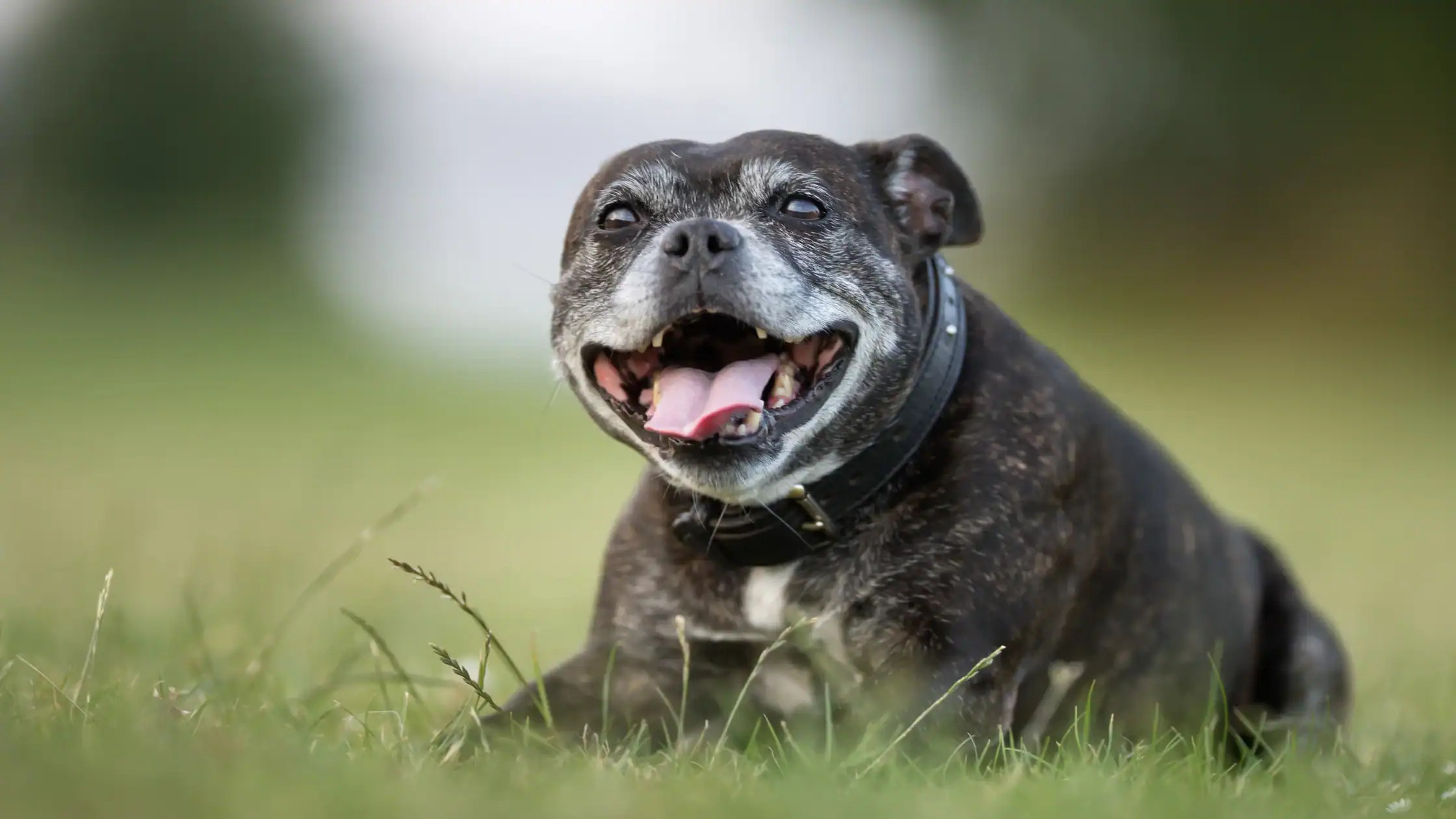
Senior Pet Wellness: Helping Your Aging Pet Thrive
Watching your pet grow older is a special part of being a pet parent. Over the years, you’ve watched them grow from a playful puppy or curious kitten into a beloved member of your family.
As pets age, their healthcare needs can change.
Senior pets may experience changes in their weight, mobility, energy level, vision, hearing, dental health, or behavior. Some changes may be a normal part of aging, while others can be signs of an underlying health concern.
Regular senior wellness care can help your veterinary team monitor these changes and identify potential problems earlier.
At Shuler Veterinary Clinic, we believe senior pets deserve thoughtful, individualized care throughout their golden years.
Senior Pet Wellness: When Is a Pet Considered a Senior?
There isn’t one specific age when every pet becomes a senior.
A pet’s life stage can depend on their species, breed, size, genetics, and overall health. Larger dogs often reach their senior years earlier than smaller dogs, while cats may remain active well into their later years.
Although dogs can be considered senior between 7-8 years old and cats between 10-11 years old, your veterinarian can help determine when your pet has entered their senior life stage and recommend an appropriate wellness schedule.
As your pet gets older, regular monitoring becomes increasingly important because subtle changes can develop gradually.
Senior Pet Wellness: Why Senior Wellness Visits Matter
Pets are very good at hiding signs of illness or discomfort.
A pet may continue eating, greeting you at the door, and participating in their normal routine even when something has changed internally.
Senior wellness visits give your veterinary team an opportunity to look beyond what may be noticeable at home.
During a senior wellness visit, your veterinarian may evaluate:
- Weight and body condition
- Muscle condition
- Mobility
- Heart and respiratory health
- Dental health
- Skin and coat
- Vision and hearing changes
- Appetite and digestion
- Behavior
- Overall activity level
Regular visits also allow your veterinary team to compare changes over time.
Senior Pet Wellness: Senior Pet Bloodwork and Health Screening
Routine bloodwork can be an important part of senior pet wellness.
Laboratory testing may help your veterinarian evaluate organ function and identify changes that aren’t yet causing obvious symptoms.
Depending on your pet’s age, health history, and individual needs, your veterinarian may recommend bloodwork or other diagnostic testing as part of their wellness care.
Early detection can give your veterinary team more opportunities to investigate changes and determine the best next steps for your pet.
Senior Pet Wellness: Nutrition for Senior Pets
Your pet’s nutritional needs can change as they age.
Changes in activity level, metabolism, muscle mass, weight, and overall health may affect what type and amount of food is appropriate.
Some senior pets may need adjustments to their diet, while others may benefit from additional nutritional support based on their individual health needs.
Your veterinarian can help you determine whether your pet’s current nutrition is appropriate and recommend changes when necessary.
Senior Pet Wellness: Keeping Senior Pets Active
Getting older doesn’t mean your pet needs to stop being active.
Regular, appropriate activity can help support mobility, muscle strength, mental stimulation, and overall quality of life.
The right amount of activity depends on your pet’s age, health, mobility, and physical abilities.
Senior dogs may benefit from shorter walks, gentle play, and other low-impact activities.
Cats can benefit from short play sessions, interactive toys, food puzzles, and opportunities to move throughout the day.
If your pet is experiencing pain or mobility changes, talk with your veterinarian before beginning a new exercise routine.
Senior Pet Wellness: Watch for Changes in Your Senior Pet
Because you see your pet every day, you may notice small changes before anyone else does.
Keep an eye out for changes such as:
- Drinking or urinating more frequently
- Changes in appetite
- Weight loss or weight gain
- Difficulty getting up
- Reduced activity
- Changes in sleep patterns
- Difficulty jumping
- Changes in grooming
- Bad breath or difficulty eating
- Confusion or unusual behavior
- New lumps or bumps
- Changes in bathroom habits
These changes don’t necessarily mean your pet has a serious medical problem, but they are worth discussing with your veterinarian. Because our pets age much faster than us, we recommend bi-annual exams every 6 months to stay ahead on their health.
Senior Pet Wellness: Dental Health Is Still Important
Dental care remains an important part of senior pet wellness.
Dental disease can affect a pet’s comfort and ability to eat and may contribute to other health concerns.
Regular dental evaluations allow your veterinary team to monitor your pet’s oral health and determine when professional dental care may be appropriate.
At home, maintaining an appropriate dental care routine can also help support your pet’s oral health.
Senior Pet Wellness: Senior Wellness Is About Quality of Life
October is a great reminder to take a closer look at your pet’s overall health.
During a wellness visit, your veterinary team can monitor your pet’s:
- Weight
- Body condition
- Muscle condition
- Nutrition
- Activity level
- Preventive healthcare needs
Regular veterinary visits also allow us to identify changes early and adjust your pet’s care as they age.
Senior Pet Wellness: A Wellness Plan for Every Stage of Life
Every senior pet is different.
A healthy 10-year-old cat may have very different needs from a senior Labrador Retriever with mobility changes. Your pet’s breed, age, lifestyle, medical history, and overall health all play a role in determining their care.
At Shuler Veterinary Clinic, we take the time to understand each pet as an individual and develop recommendations based on their specific needs.
Regular wellness visits, appropriate nutrition, preventive care, diagnostic screening, and monitoring can all play a role in helping senior pets maintain a good quality of life.
Senior Pet Wellness: Help Your Senior Pet Age Comfortably
Getting older is a natural part of your pet’s life, but aging doesn’t have to mean giving up the activities and routines they enjoy.
With regular veterinary care and attention to changes in their health, you can help your pet stay comfortable and supported throughout their senior years.
If your pet is entering their senior years or you haven’t had a wellness visit recently, now is a great time to schedule an appointment.
Call Shuler Veterinary Clinic at (843) 884-4494 or request an appointment online today.
Shuler Veterinary Clinic is proud to be part of Animal Hospitals of the Lowcountry, including:
Mount Pleasant Animal Hospital – South Mount Pleasant
Shuler Veterinary Clinic – Central Mount Pleasant
Safe Harbor Animal Hospital – North Mount Pleasant
Together, we’re helping Lowcountry pets live healthier, happier lives.






Leave A Comment