

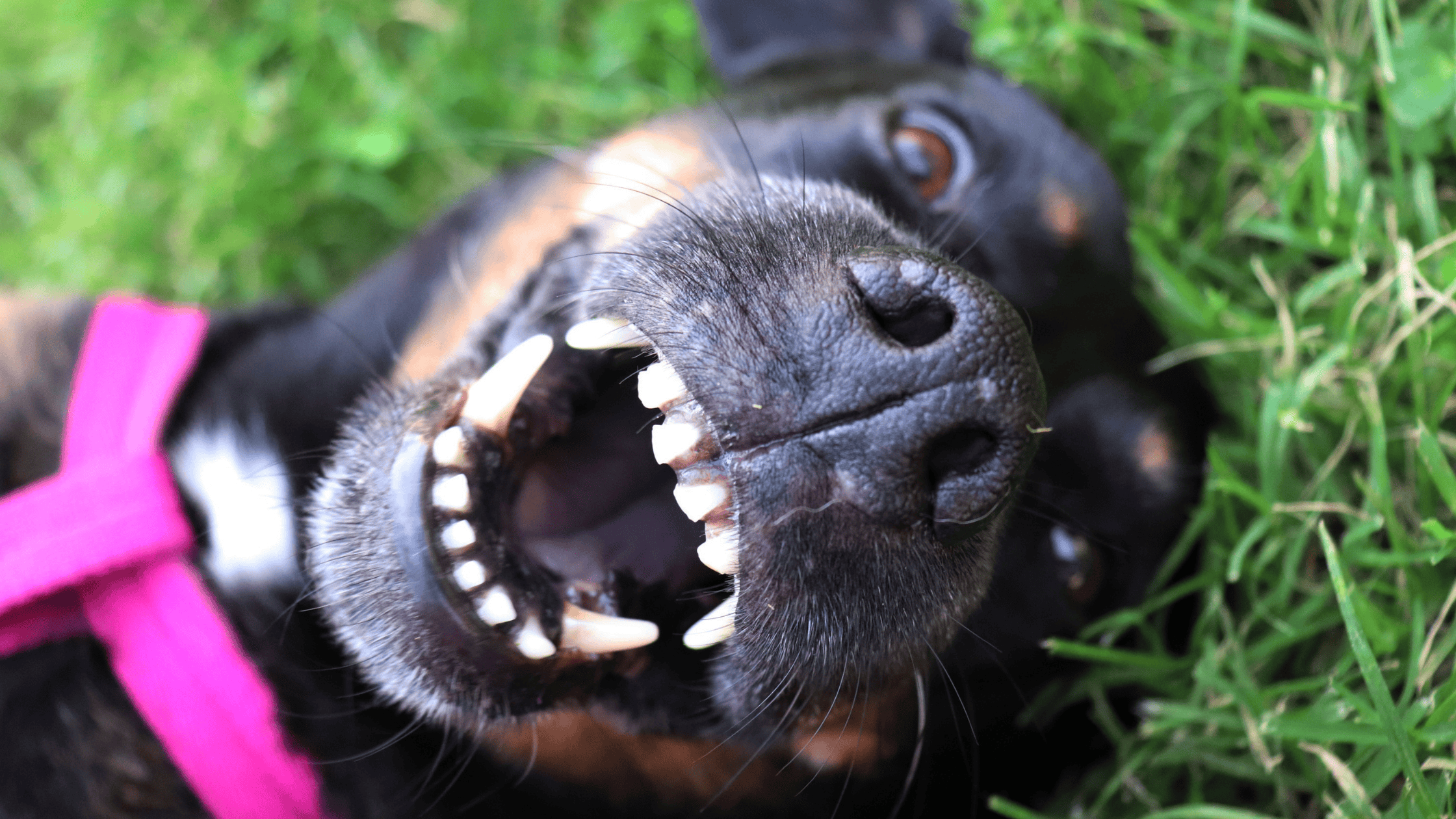
Pet Periodontal Disease: Why Early Detection Matters for Your Pet’s Health
Pet periodontal disease is one of the most common and most underdiagnosed health conditions affecting dogs and cats. It begins quietly with plaque buildup but can progress into painful infection, tooth loss, and serious systemic illness if left untreated.
At Shuler Veterinary Clinic, we focus on early detection and proactive dental care. Addressing periodontal disease early not only protects your pet’s mouth but also supports their heart, kidneys, liver, and overall quality of life. This blog is Part 2 of our 3-part pet dental health series, following our tooth brushing guide and leading into what to expect during professional oral surgery.
Pet Periodontal Disease: What It Is and How It Develops
Periodontal disease begins when plaque forms on the teeth. Without routine brushing or professional cleaning, plaque hardens into tartar and spreads below the gum line, where bacteria thrive.
As pet periodontal disease progresses, it can cause:
- Red, swollen, or bleeding gums
- Persistent bad breath
- Loose or missing teeth
- Oral pain and difficulty eating
- Bone loss in the jaw
Because pets instinctively hide pain, dental disease often goes unnoticed until it becomes advanced. Regular dental exams are essential for catching problems early.
Pet Periodontal Disease: Why It’s More Than a Dental Problem
Dental disease doesn’t stop at the mouth. Bacteria from infected gums can enter the bloodstream and affect vital organs throughout the body.
Advanced pet periodontal disease has been linked to:
- Heart disease
- Kidney and liver damage
- Chronic inflammation
- Decreased lifespan
In fact, early detection and treatment of periodontal disease can extend a pet’s life by up to two years. That’s why dental health is a cornerstone of preventive veterinary care at Shuler Veterinary Clinic.
To learn more about periodontal disease, watch this great video:
Pet Periodontal Disease: Warning Signs Pet Owners Should Watch For
Pets rarely show obvious signs of dental discomfort. Contact your veterinarian if you notice:
- Bad breath that doesn’t improve
- Dropping food or chewing on one side
- Pawing at the mouth
- Excessive drooling
- Behavioral changes or lethargy
Routine wellness exams allow us to identify early signs of pet periodontal disease before pain or complications develop.
Pet Periodontal Disease: Prevention Starts at Home and the Vet
Preventing dental disease requires a combination of at-home care and professional support.
Effective prevention includes:
- Regular tooth brushing at home
- Dental-friendly diets and chews
- Routine veterinary dental exams
- Professional dental cleanings when recommended
Next in the series: Learn what professional care looks like in Part 3: What to Expect During a Cat and Dog Dental Cleaning on the Safe Harbor Animal Hospital website.
Pet Periodontal Disease: Your Partner in Pet Dental Health
At Shuler Veterinary Clinic, we take pet dental health seriously. From routine oral exams to identifying and managing pet periodontal disease, our team is here to help your pet stay comfortable, healthy, and pain-free.
If your pet is due for a dental exam or you’ve noticed signs of dental disease, call us at (843) 884-4494 or request an appointment online today.
Shuler Veterinary Clinic is proud to be part of Animal Hospitals of the Lowcountry, including:
- Mount Pleasant Animal Hospital – South Mount Pleasant
- Shuler Veterinary Clinic – Central Mount Pleasant
- Safe Harbor Animal Hospital – North Mount Pleasant
Together, we’re protecting Lowcountry pets — one healthy smile at a time.




Leave A Comment